
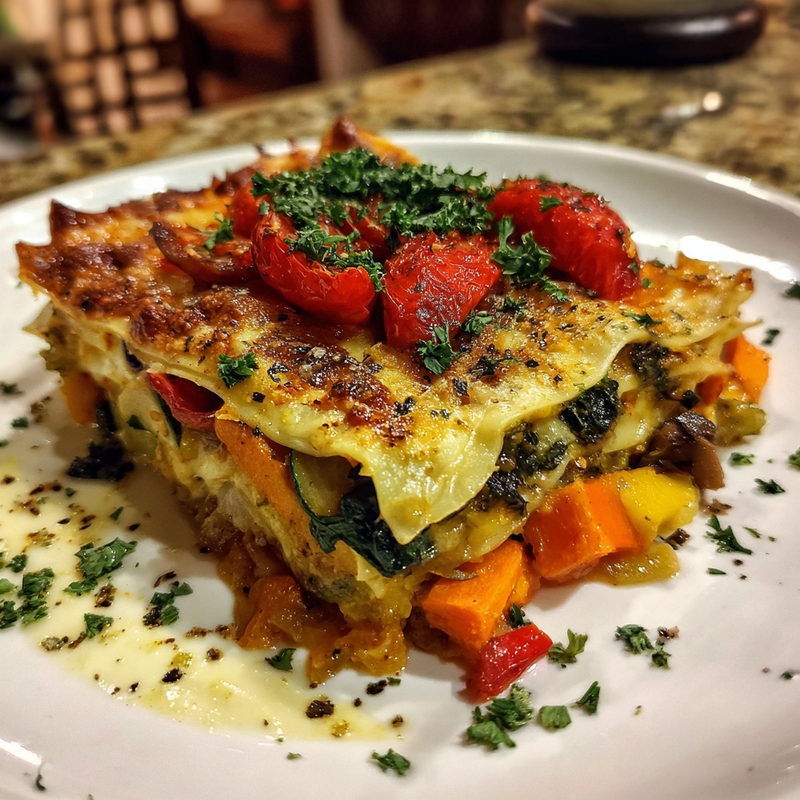
Hi there! I’m Alexandra, and I still remember the disaster of my first lasagna attempt ten years ago. Picture this: soggy noodles, watery vegetables swimming in a pool of excess moisture, and layers that collapsed the moment I tried to serve them.
Sound familiar? If you’ve ever struggled with mushy, flavorless vegetable lasagna that falls apart on your plate, you’re not alone and you’re in the right place.
This Layered Mediterranean Vegetable Lasagna will transform your kitchen disasters into a masterpiece that rivals any traditional meat version.
Every slice holds its shape perfectly, bursting with roasted Mediterranean flavors that will have your family asking for seconds.
As someone who’s spent countless evenings perfecting this recipe through trial and error, I’ve discovered the exact techniques that eliminate soggy vegetables and create layers that stay beautifully intact.
Throughout this guide, I’ll share my foolproof vegetable selection methods, the secret to achieving perfect texture, step-by-step assembly techniques, and answers to the most common questions that trip up home cooks. Let’s create something truly unforgettable together.
Why This Layered Mediterranean Vegetable Lasagna Recipe Works
This Mediterranean Vegetable Lasagna succeeds where others fail because it focuses on three critical elements: bold flavors, practical convenience, and incredible versatility.
• Uses budget-friendly, seasonal vegetables that you can find year-round at any grocery store
• Pre-roasts vegetables in just 25 minutes to concentrate flavors and eliminate excess moisture
• Perfect for meal prep or elegant dinner parties serves 8-10 people generously
• Naturally accommodates dietary restrictions easily made vegan, gluten-free, or dairy-free
• Actually improves overnight as flavors meld together beautifully
The magic lies in the roasting technique that caramelizes each vegetable separately, creating depth of flavor that raw vegetables simply can’t achieve.
Choosing the Right Vegetables for Mediterranean Vegetable Lasagna
The success of your Mediterranean Vegetable Lasagna depends entirely on selecting and preparing the right vegetables. Not all vegetables work equally well in layered dishes.
Best Vegetables for This Recipe
Eggplant serves as your “meat” layer choose firm, glossy eggplants without soft spots. The natural texture holds up beautifully and absorbs surrounding flavors.
Zucchini and yellow squash provide moisture and mild flavor. Select medium-sized squash that feel heavy for their size, avoiding any with wrinkled skin.
Bell peppers (red, yellow, and orange) add sweetness and vibrant color. Skip green peppers – they’re too bitter for this delicate flavor profile.
Roma tomatoes work best because they contain less water than beefsteak varieties, preventing soggy layers.
Buying Tips
Look for vegetables with bright, vibrant colors and firm flesh. Soft spots indicate aging that will create mushy textures in your finished dish. Ask your produce manager about which vegetables arrived most recently freshness makes a remarkable difference in final flavor.
Visit farmers markets when possible. Local, seasonal vegetables contain higher moisture content when fresh, which concentrates into incredible flavor when roasted properly.
Smart Substitutions
Swap butternut squash for eggplant during fall months. Replace zucchini with thinly sliced portobello mushrooms for earthier flavor. Substitute roasted red peppers from a jar when fresh peppers aren’t available just drain them thoroughly first.
Ingredients & Prep for Mediterranean Vegetable Lasagna
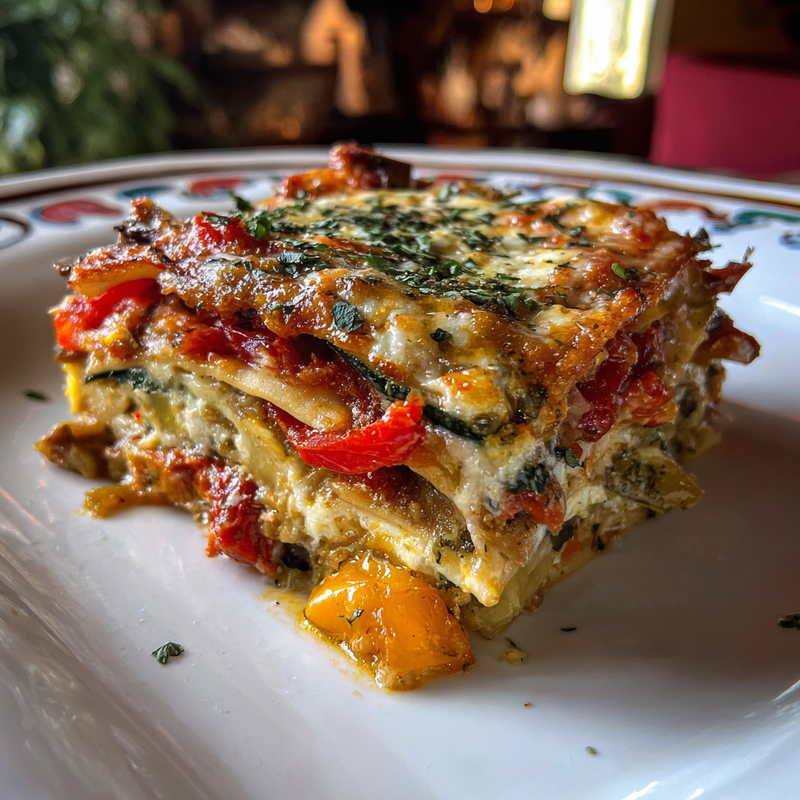
Proper preparation transforms good ingredients into an extraordinary Mediterranean Vegetable Lasagna. Every step serves a specific purpose in creating perfect texture and flavor.
Vegetable Prep Essentials
Salt and drain eggplant slices for 30 minutes before cooking. This crucial step draws out bitter compounds and excess moisture that would otherwise create soggy layers. Pat completely dry with paper towels.
Slice vegetables uniformly aim for ¼-inch thickness. Consistent sizing ensures even cooking and professional-looking layers that stack beautifully.
Pre-roast all vegetables separately at 425°F. Different vegetables require different cooking times: eggplant needs 15 minutes, zucchini needs 12 minutes, peppers need 20 minutes.
Mediterranean Herb Blend
• 2 tablespoons fresh oregano (or 2 teaspoons dried)
• 1 tablespoon fresh thyme leaves
• 2 teaspoons dried basil
• 1 teaspoon garlic powder
• ½ teaspoon red pepper flakes
• Sea salt and black pepper to taste
Let this mixture sit for 10 minutes to allow flavors to meld before using.
Essential Pantry Staples
Extra virgin olive oil for roasting use generously to prevent sticking and promote caramelization. Fresh garlic minced just before using maintains maximum potency. High-quality vegetable broth adds depth to your ricotta mixture without overpowering delicate vegetables.
Step-by-Step Cooking Instructions for Mediterranean Vegetable Lasagna
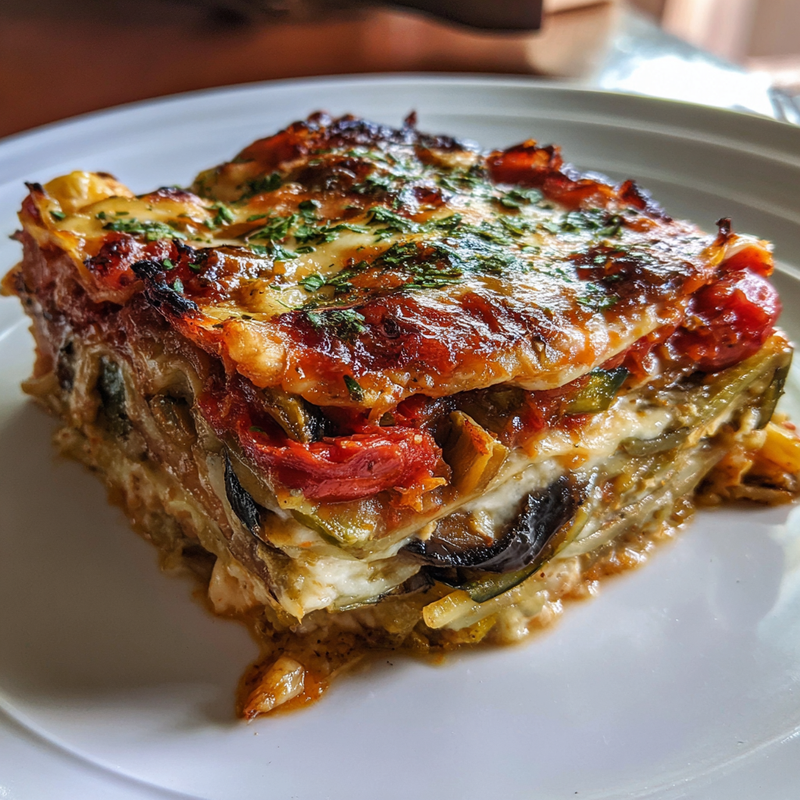
Creating perfect Mediterranean Vegetable Lasagna requires patience and attention to detail. Follow these steps exactly for guaranteed success.
Pre-Cooking Prep for Mediterranean Vegetable Lasagna
Preheat your oven to 425°F and line three large baking sheets with parchment paper. Slice all vegetables uniformly and arrange in single layers on prepared sheets. Brush both sides with olive oil and season with your Mediterranean herb blend.
Prepare your ricotta mixture by combining 32 oz ricotta cheese, 2 beaten eggs, ½ cup grated Parmesan, 2 minced garlic cloves, and 1 teaspoon salt. This mixture should be smooth and spreadable.
Roasting Method for Mediterranean Vegetable Lasagna
Eggplant: Roast 15 minutes until golden and slightly caramelized edges appear.
Zucchini and yellow squash: Roast 12 minutes until just tender avoid overcooking.
Bell peppers: Roast 20 minutes until edges begin to char slightly.
Tomatoes: Roast 18 minutes until concentrated but still holding their shape.
Remove each vegetable when perfectly done and set aside to cool. This prevents overcooking while you prepare other components.
Assembly Check for Mediterranean Vegetable Lasagna
Layer in this exact order: marinara sauce, lasagna noodles, ricotta mixture, roasted eggplant, more sauce, noodles, ricotta, zucchini and squash, sauce, noodles, ricotta, bell peppers and tomatoes, final sauce layer, mozzarella cheese.
Press gently between each layer to ensure good contact and eliminate air pockets that create unstable structure.
Final Baking for Mediterranean Vegetable Lasagna
Cover tightly with foil and bake at 375°F for 45 minutes. Remove foil and continue baking 15 minutes until cheese is golden and bubbly. Internal temperature should reach 165°F in the center.
Let rest exactly 15 minutes before cutting – this allows layers to set and prevents collapse when serving.
Pro Tips for Perfect Mediterranean Vegetable Lasagna
These expert techniques separate amateur attempts from restaurant-quality Mediterranean Vegetable Lasagna that impresses every time.
Avoiding Soggy Mediterranean Vegetable Lasagna
Salt and drain eggplant religiously this single step prevents 90% of texture problems. Roast vegetables until slightly caramelized rather than just tender. Use thick marinara sauce or simmer thin sauce until reduced by half.
Don’t skip the resting period after baking. Cutting too early releases all the moisture you worked so hard to control.
Essential Tool Recommendations for Mediterranean Vegetable Lasagna
A digital instant-read thermometer ensures proper internal temperature without guesswork. Large rimmed baking sheets prevent vegetables from steaming in their own juices. A mandoline slicer creates perfectly uniform vegetable slices that cook evenly.
Heavy-duty aluminum foil creates proper steam circulation during the covered baking phase.
Storage & Reheating for Mediterranean Vegetable Lasagna
Refrigerate leftovers up to 4 days in airtight containers. Freeze unbaked assembled lasagna up to 3 months – thaw overnight before baking and add 15 minutes to cooking time.
Reheat individual portions in 350°F oven for 20 minutes rather than microwave to maintain texture integrity.
Looking for more Mediterranean-inspired dishes? Check out my Greek-Style Lemon Potatoes for the perfect side dish to complement your lasagna! For more recipe inspiration and cooking tips, follow me on Pinterest where I share daily kitchen wisdom and seasonal recipe collections.
Flavor Variations for Mediterranean Vegetable Lasagna
Transform your Mediterranean Vegetable Lasagna with these creative variations that cater to different tastes and dietary needs.
Spicy Mediterranean Vegetable Lasagna
Add 1 teaspoon red pepper flakes to your ricotta mixture and include thinly sliced jalapeños between layers. Incorporate sun-dried tomatoes packed in oil for intense, concentrated heat that builds gradually with each bite.
Vegan Mediterranean Vegetable Lasagna
Replace ricotta with a mixture of 2 cups cashew cream, 1 cup nutritional yeast, 2 tablespoons lemon juice, and 1 teaspoon salt. Use dairy-free mozzarella and eliminate eggs entirely. The result tastes remarkably similar to traditional versions.
Global Mediterranean Vegetable Lasagna Flavors
Greek-inspired: Add crumbled feta cheese, kalamata olives, and fresh dill to create authentic Greek flavors.
French variation: Include herbes de Provence and a layer of caramelized onions for sophisticated depth.
Spanish twist: Incorporate smoked paprika and roasted red peppers for warm, smoky complexity.
| Variation | Key Ingredients | Flavor Profile | Prep Time Addition |
|---|---|---|---|
| Spicy | Red pepper flakes, jalapeños, sun-dried tomatoes | Hot, intense, building heat | +10 minutes |
| Vegan | Cashew cream, nutritional yeast, dairy-free cheese | Rich, creamy, plant-based | +20 minutes |
| Greek | Feta, olives, dill, oregano | Tangy, herbaceous, authentic | +15 minutes |
| French | Herbes de Provence, caramelized onions | Sophisticated, sweet, aromatic | +45 minutes |
Serving Suggestions for Mediterranean Vegetable Lasagna
Your beautiful Mediterranean Vegetable Lasagna deserves equally thoughtful accompaniments that enhance rather than compete with its delicate flavors.
Perfect side dishes: Serve with a crisp arugula salad dressed in lemon vinaigrette to cut through the richness. Garlic bread provides satisfying contrast to the soft lasagna texture. Roasted asparagus or broccolini adds vibrant green color and fresh flavor.
Ideal beverages: Pair with Pinot Grigio or Sauvignon Blanc for white options that won’t overpower delicate vegetables. For red preferences, choose light Chianti or Beaujolais. Sparkling water infused with lemon and fresh herbs cleanses the palate between bites.
Presentation tips: Garnish individual servings with fresh basil leaves and a drizzle of high-quality olive oil. A small sprinkle of freshly grated Parmesan adds visual appeal and extra flavor dimension.
FAQs About Mediterranean Vegetable Lasagna
Can I use no-boil lasagna noodles for Mediterranean Vegetable Lasagna?
Absolutely! No-boil noodles work perfectly and actually absorb flavors better than pre-cooked noodles. Add an extra ½ cup of sauce and extend covered baking time by 10 minutes to ensure proper hydration.
How do I fix watery Mediterranean Vegetable Lasagna?
Prevention works better than fixes. Always salt and drain eggplant, roast vegetables until slightly caramelized, and use thick sauce. If your finished lasagna seems watery, let it rest 20-30 minutes much liquid will reabsorb into the noodles.
Is this Mediterranean Vegetable Lasagna recipe suitable for meal prep?
Perfect for meal prep! Assemble completely and refrigerate unbaked up to 2 days, or freeze up to 3 months. Individual frozen portions reheat beautifully in the oven, making weeknight dinners effortless.
Can I substitute different vegetables in Mediterranean Vegetable Lasagna?
Yes, but maintain the same moisture principles. Root vegetables like sweet potatoes work well but need longer roasting times. Leafy greens like spinach must be thoroughly drained after cooking to prevent sogginess.
Conclusion
Your journey to Mediterranean Vegetable Lasagna mastery starts tonight! This recipe transforms simple vegetables into a show stopping dish that proves plant-based meals can be every bit as satisfying as traditional versions. The roasting technique eliminates watery disasters while building incredible depth of flavor that improves with each bite.
Ready to expand your Mediterranean repertoire? Try our Greek-Style Lemon Potatoes next they’re the perfect complement to this lasagna and use similar roasting principles that guarantee success every time!
Print
Layered Mediterranean Vegetable Lasagna: The Best Recipe for a Healthy Feast
- Total Time: 55 mins
- Yield: 4 servings 1x
- Diet: Vegetarian
Description
A rich and velvety risotto made with roasted butternut squash, arborio rice, and Parmesan creamy, comforting, and perfect for a cozy fall dinner.
Ingredients
1 small butternut squash (about 2 lbs), peeled and cubed
2 tbsp olive oil
1 tbsp butter
1 small onion, finely diced
2 garlic cloves, minced
1 1/2 cups arborio rice
1/2 cup dry white wine (optional)
4 cups vegetable broth, warmed
1/2 cup grated Parmesan cheese
2 tbsp heavy cream (optional, for extra creaminess)
Salt and black pepper, to taste
Fresh thyme or sage leaves, for garnish
Instructions
1. Preheat the oven to 400°F (200°C). Toss butternut squash cubes with olive oil, salt, and pepper, then spread on a baking sheet.
2. Roast for 25–30 minutes, until golden and tender. Set aside.
3. In a large saucepan, melt butter over medium heat. Add onion and sauté until translucent.
4. Add garlic and cook for another 30 seconds until fragrant.
5. Stir in arborio rice and cook for 1–2 minutes until slightly toasted.
6. Pour in white wine (if using) and cook until mostly absorbed.
7. Begin adding warm vegetable broth, one ladle at a time, stirring constantly and waiting until absorbed before adding more.
8. Continue this process for 20–25 minutes, until the rice is creamy and tender.
9. Mash half of the roasted squash and stir it into the risotto with Parmesan cheese and heavy cream (if using).
10. Fold in remaining squash cubes and season with salt and pepper.
11. Serve immediately, topped with fresh thyme or sage and extra Parmesan.
Notes
For a vegan version, use olive oil instead of butter and nutritional yeast instead of Parmesan.
Add a sprinkle of toasted pine nuts or pumpkin seeds for extra texture.
Use homemade vegetable stock for deeper flavor.
Leftovers can be transformed into risotto cakes the next day.
- Prep Time: 15 mins
- Cook Time: 40 mins
- Category: Main Dish
- Method: Stovetop, Roasted
- Cuisine: Italian
Nutrition
- Serving Size: 1 cup
- Calories: 410
- Sugar: 5g
- Sodium: 620mg
- Fat: 14g
- Saturated Fat: 6g
- Unsaturated Fat: 7g
- Trans Fat: 0g
- Carbohydrates: 58g
- Fiber: 4g
- Protein: 10g
- Cholesterol: 25mg
Keywords: butternut squash risotto, creamy risotto, fall comfort food, vegetarian risotto, roasted squash